Wild Thing: Unleashing Playful Energy in Your Designs
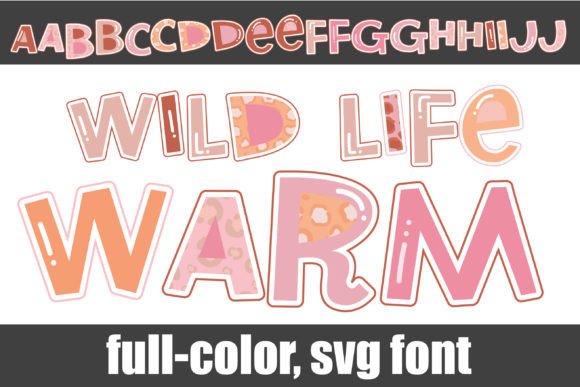
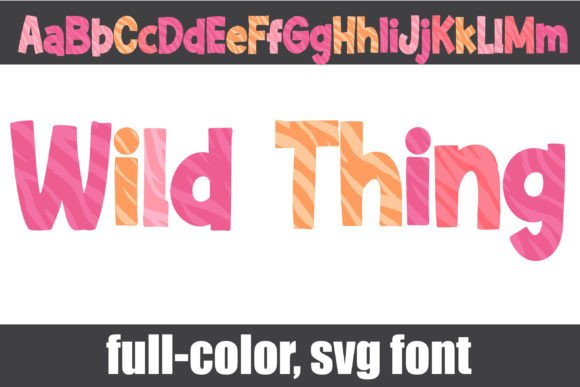
If you've ever felt your project needed a jolt of personality—something that feels both modern and a little bit untamed—you might be looking for a font like Wild Thing. This isn't your typical, quiet typeface. It's a full-color SVG font that arrives with the vibrant, textured look of pink tiger prints already baked into each character. The whimsical sans serif letterforms are bold and friendly, making an immediate visual statement. But the real versatility lies in the included alt versions of each letter, accessible through your system's character map or Silhouette software, offering a different color scheme for even more creative control. It's a design asset built for impact.
A Typeface with a Distinct Personality
Wild Thing is fundamentally a display font. Its core job is to grab attention, not to set long paragraphs of body copy. The visual style is unmistakable: each letter carries a playful, animal-print texture that feels energetic and contemporary. The sans serif foundation keeps the shapes clean and readable at larger sizes, while the integrated color and pattern eliminate the need for complex layering or effects in your design software. You're not just choosing a letter shape; you're importing a complete visual motif.
The personality it conveys is one of fun, confidence, and creative flair. It leans into modern typography trends that embrace texture, color, and expressive character. For a designer or content creator, this means you can achieve a very specific aesthetic—playful, bold, slightly wild—without starting from scratch. It's a creative font that serves as a direct shortcut to a particular mood.
Where Wild Thing Truly Shines: Practical Applications
Understanding a font's ideal use case is key to using it effectively. Wild Thing isn't a workhorse for your entire brand identity system, but it can be a powerful accent piece. Think of it as the statement jewelry in your design toolkit.
In logo design or branding, it could work beautifully for a business that wants to project a youthful, energetic, and approachable image. Imagine it for a children's boutique, a creative workshop studio, a trendy pet accessory brand, or a social media influencer's personal logo. The key is alignment: the font's personality must match the brand's voice. It would feel out of place on a law firm's letterhead but perfect for a kids' party planning service.
For marketing and social media graphics, Wild Thing is a standout. Use it for Instagram story headlines, Facebook ad banners, or YouTube thumbnails where you need to stop the scroll. Its built-in visual texture means your graphics will have immediate depth and interest, which is crucial in fast-moving digital feeds. It's equally effective for packaging design on products targeting a fun-loving demographic—think snack foods, cosmetics for teens, or artisanal goods with a playful twist.
Even in editorial design, it has a place. A magazine feature on contemporary pop culture, a blog header about DIY crafts, or a book cover for a lighthearted novel could all benefit from its distinctive charm. The alternate characters are a huge plus here, allowing you to create variety in headlines or emphasize specific words without losing the font's cohesive style.
Making It Work: Readability, Pairing, and Professionalism
Using a premium font like this effectively means thinking beyond just "it looks cool." First, consider readability. At small sizes or in long sentences, the intricate tiger print texture can become visually noisy. Always test it at the intended size. Its strength is in short, impactful phrases: headlines, logos, subheadings, and single-word callouts.
Next, master the font pairing. Wild Thing has so much personality that it demands a calm, neutral partner. Pair it with a clean, simple serif font or a straightforward sans serif font for body text. A classic like Helvetica, Arial, or a simple serif like Georgia can provide a quiet, professional counterbalance, ensuring your overall design remains balanced and legible. Avoid pairing it with other ornate script fonts or handwritten fonts, as this will create visual chaos.
Finally, always review the licensing for your commercial font. Wild Thing, as a design asset, comes with specific terms. Confirm that your intended use—whether for client work, merchandise, or digital products—is covered. Using the alternate characters effectively requires a bit of know-how with your software's glyph panel, so take a few minutes to explore those options. They can add valuable variation to your projects.
In the end, Wild Thing is a tool for specific jobs. When your project calls for a dose of irreverent energy and a bold visual hook, it delivers a polished, ready-to-use solution. Its value lies in its ability to inject immediate personality, helping your work stand out in a crowded visual landscape. Choose it when the brief calls for fun, and pair it thoughtfully to let its unique character do the talking.