Little Star: A Creative Font with a Colorful Personality
Every designer knows the feeling: you have a solid layout, a clear message, and a functional design, but something is missing. The spark. The element that makes a viewer pause, look closer, and remember. That’s the space where a font like Little Star lives. It’s not just another typeface in your toolkit; it’s a deliberate choice to inject personality and visual intrigue directly into your typography.
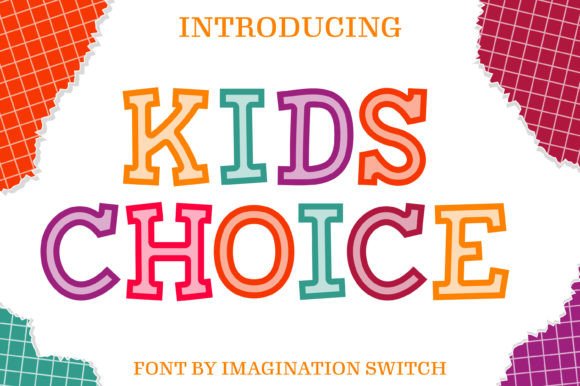
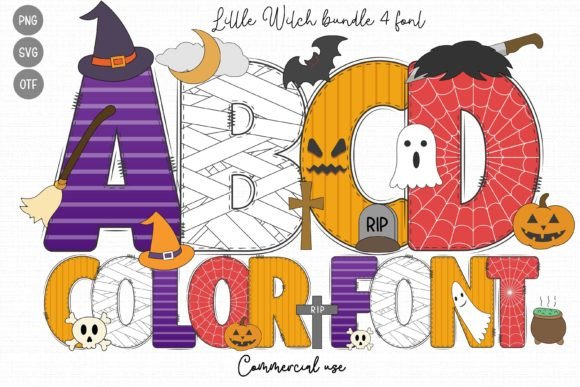
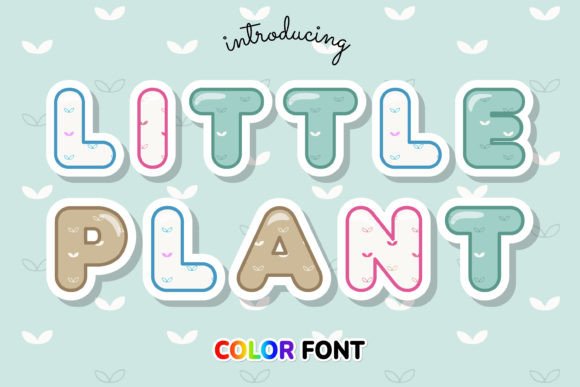
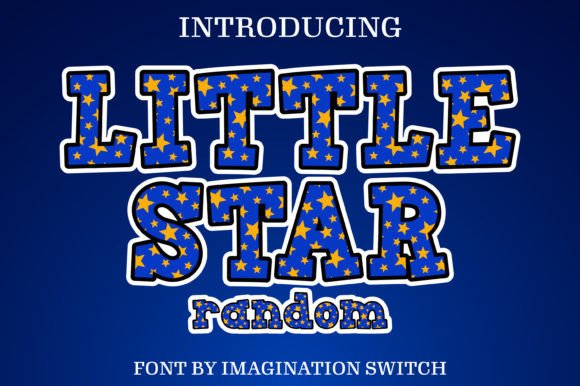
At its core, Little Star is a display font defined by its unique use of color. Each character is crafted with a specific, captivating hue, creating an immediate visual impact that monochrome fonts simply cannot achieve. It includes a complete character set—uppercase, lowercase, numbers, and punctuation—giving you the flexibility to set full headlines, short phrases, or impactful numbers. The design is meticulously balanced to ensure that while the colors are the star, the underlying letterforms remain clear and well-structured.
Where This Font Truly Shines
Understanding where to deploy a creative font like this is key to its effectiveness. Its vibrant, modern personality makes it a natural fit for projects that aim to stand out and engage on an emotional level.
For brand identity and logo design, Little Star can be transformative for the right brand. Imagine a children’s book publisher, a trendy café, a boutique toy store, or a creative workshop using it in their wordmark. It instantly communicates playfulness, innovation, and a break from the corporate mold. It’s a font that says, “We do things differently here.”
In marketing and social media graphics, attention is the primary currency. A bold headline set in Little Star for an Instagram story, a Facebook ad, or a promotional poster can stop a scrolling thumb in its tracks. Its colorful nature is inherently shareable and eye-catching, making it ideal for calls-to-action, sale announcements, or event titles where you need to cut through the noise.
For editorial design and packaging design, it serves as a powerful accent font. Think of chapter titles in a modern cookbook, the cover of a trendy magazine, or the product name on a colorful cereal box or craft beer label. It adds a layer of contemporary flair and can help define the publication’s or product’s overall aesthetic, making it feel fresh and current.
The Practical Side: Using Little Star Effectively
A font with this much personality requires a thoughtful approach. Its power lies in its specificity, and using it well means considering context, readability, and technical compatibility.
Readability and Hierarchy: Because of its decorative nature, Little Star is best used for headlines, subheads, logos, and short bursts of text—never for long paragraphs. Its strength is in creating a strong visual hierarchy. Pair it with a clean, neutral sans serif font or a classic serif font for body copy. For example, use Little Star for a magazine headline and pair it with a font like Open Sans or Garamond for the article text. This contrast ensures the colorful font gets the attention it deserves without sacrificing overall legibility.
Evaluating Project Fit: Ask yourself: does the project’s tone match the font’s personality? Little Star exudes creativity, joy, and modernity. It would be a mismatch for a law firm’s annual report or a medical journal, but a perfect match for a music festival poster, a wedding invitation for a fun-loving couple, or the branding for a digital design agency. Always consider your audience and the message you want to convey.
Technical Considerations for Creators and Crafters: This is crucial. The font comes in different versions for different tools. The black version is a standard vector font compatible with Cricut Design Space and other cutting machines, perfect for vinyl decals, T-shirts, and paper crafts. However, the color version works differently. It is an OTF or TTF file that functions only in advanced design software like Adobe Photoshop, Illustrator, Silhouette Studio (Designer Edition or higher), and Inkscape. These programs can interpret the color data embedded in the font file. It will not work in Cricut Design Space or basic word processors. Always check the Ultimate Font Guide for detailed setup instructions to avoid frustration.
Licensing and Usage: As a premium font, it comes with a license that typically covers both personal and commercial projects. This means you can use it for your client work, products for sale, and business marketing without issue. Reviewing the license details is a standard best practice for any commercial font to ensure you’re using it correctly.
Final Thoughts on Adding a Little Spark
Choosing a typeface is a strategic decision. Little Star isn’t for every project, but when it fits, it doesn’t just convey a message—it creates an experience. It’s a piece of design assets that allows you to express creativity tangibly, turning ordinary text into a memorable visual moment. By pairing it wisely, using it for its intended purpose, and respecting its technical requirements, you can leverage this unique color font to craft designs that are not only seen but felt. It’s a tool for anyone looking to move beyond the ordinary and make their work pop with a distinct, colorful character.